
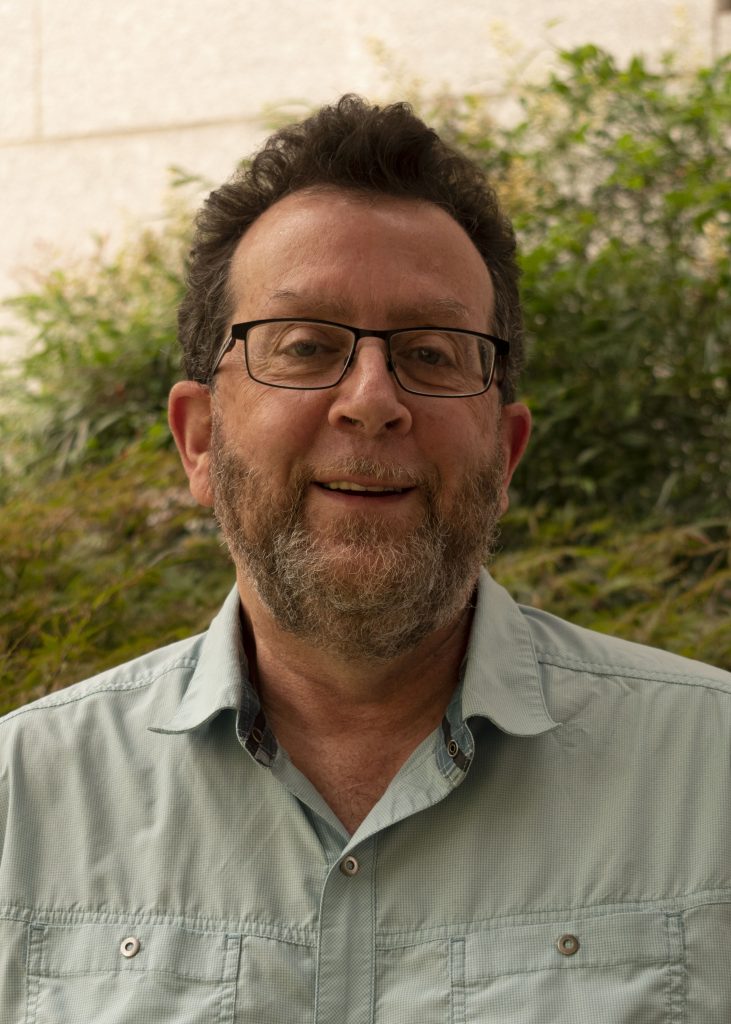
Alex Kolodkin
Professor
Neuroscience
Molecular Mechanisms of Neuronal Growth Cone Guidance
725 N. Wolfe Street
1001 PCTB
Our research is focused on understanding how neuronal connectivity is established during development. Our work investigates the function of extrinsic guidance cues and their receptors on axonal guidance, dendritic morphology, and synapse formation and function. For several years we have investigated how neural circuits are formed and maintained through the action of guidance cues that include semaphorin proteins, their classical plexin and neuropilin receptors, and also novel receptors. We employ a cross phylogenetic approach, using both invertebrate and vertebrate model systems, to understand how guidance cues regulate neuronal pathfinding, morphology, and synaptogenesis. We also seek to understand how these signals are transduced to cytosolic effectors. Though broad in scope, our interrogation of the roles played by semaphorin guidance cues provides insight into the regulation of neural circuit assembly and function. As a result of the ongoing projects in my laboratory, I and my colleagues have extensive experience in both mouse and fly genetic manipulations and neuroanatomical analysis. Our current work includes understanding the origins of laminar organization in the CNS. This direction has resulted in our identification of guidance cues and recpetors that regulate both specific and general aspects of neurite stratification in the mouse retina, in addition to the targeting of retinal ganglion cell axons to retinorecipient midbrain targets. We are also exploring how distinct circuits that regulate directional motion tuning responses in mammals are assembled and function. Our work in the mouse retina has prompted us to look for cellular and molecular mechanisms that regulate laminar organization in the mouse neocortex. Taken together, these studies seek to understand the molecular basis of neural circuit assembly and how this impacts behavioral responses to sensory input.